How to Fix a Sagging Canvas? – Easy Step by Step Solutions
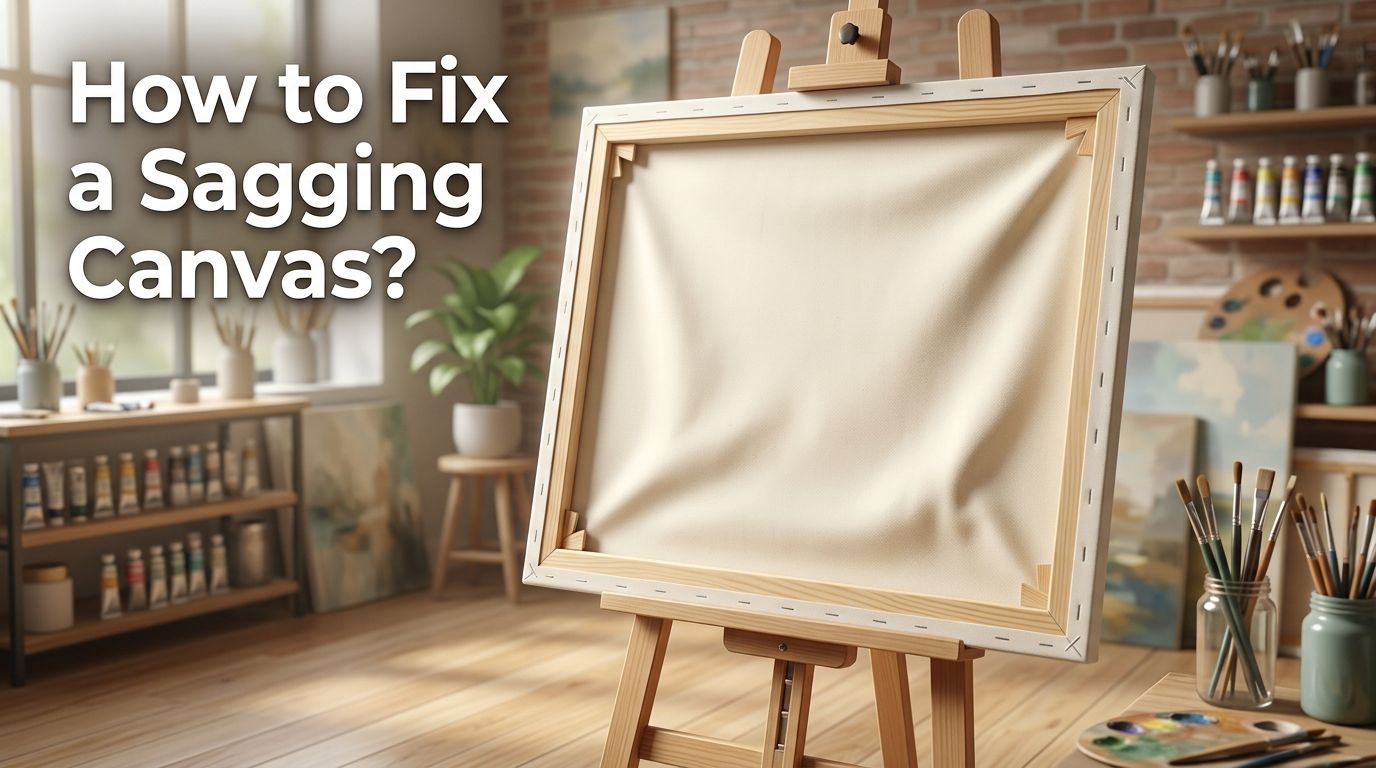
Have you ever looked at your canvas and noticed that sad, droopy look in the middle? A sagging canvas is one of the most common frustrations for artists, photographers, and anyone who displays canvas art at home.
The good news is that you do not need to throw it away or spend a fortune to fix it. Most sagging canvas problems have simple, affordable solutions you can do at home in just a few minutes.
Whether your canvas lost its tension from humidity changes, poor storage, or just came loose from the store, this guide will walk you through every fix available.
In a Nutshell
- The water misting method is the fastest fix for a mildly sagging canvas. You spray the back lightly with water, let it air dry, and the fibers contract to pull the surface tight again. This works well on unpainted or acrylic painted canvases.
- Canvas keys (also called wedges) are small wooden or plastic pieces that fit into the slotted corners of your stretcher bars. Tapping them in gently pushes the bars outward, which increases tension across the canvas. Most store bought canvases include these in a small bag attached to the back.
- Restretching with a staple gun gives the most reliable, long lasting result. This method requires removing the old staples, pulling the canvas tight with pliers, and restapling it to the stretcher bars. It takes more effort but works on severely sagging canvases.
- Humidity is the number one cause of canvas sag. Both the wood in stretcher bars and the fabric fibers absorb moisture from the air. When humidity rises, the fibers expand and loosen. Storing your canvases in a climate controlled space helps prevent this problem.
- Proper storage matters more than most artists realize. Always store canvases upright, never flat. Stack them face to face or back to back with padding between them. This prevents warping and keeps the tension even over time.
- Prevention is easier than repair. Using cross braces on larger canvases, applying a coat of gesso to the back, and choosing quality stretcher bars all reduce the chance of future sagging.
Why Does a Canvas Sag in the First Place
A canvas sags because the fabric loses tension across the stretcher bar frame. This happens for several reasons. The most common cause is changes in humidity. Cotton and linen fibers are hygroscopic, which means they absorb and release moisture from the air.
When the air gets humid, the fibers expand and the canvas becomes loose. The wooden stretcher bars also absorb moisture, and they can shrink or swell at different rates than the fabric. Temperature swings and poor storage conditions speed up this process.
Cheap canvases from discount stores often sag faster because they use thinner fabric and lower quality wood. A canvas that was not stretched tightly from the start will show problems sooner. Even a well made canvas can develop sag after sitting in a garage or humid room for a few months.
Tools and Materials You Will Need
Before you start any fix, gather the right tools. For the water method, you only need a spray bottle filled with clean water and a flat surface to lay the canvas on. This is the simplest setup.
For the canvas key method, you need the small wooden or plastic wedges that came with your canvas. You also need a small hammer or the flat end of a screwdriver to tap them into place. If you lost the original wedges, you can buy replacement canvas keys at any art supply store.
For a full restretch, you will need a staple gun, canvas pliers, a flat head screwdriver (to remove old staples), and new staples. A pair of scissors helps for trimming excess canvas. Having all your tools ready before you begin saves time and frustration.
The Water Misting Method
This is the fastest and easiest way to fix a mild sag. Lay your canvas face down on a clean, flat surface. Fill a spray bottle with room temperature water. Mist the back of the canvas lightly and evenly. You do not need to soak it. A thin, even layer of moisture is enough.
Spread the water around with a clean sponge if needed to ensure even coverage across the entire back surface. Then let the canvas air dry completely. As the fibers dry, they contract and pull the surface tight again. This can take a few hours depending on the room temperature.
Pros: This method is free, fast, and works well for minor sagging. It requires no special tools or skills. You can repeat it as needed.
Cons: It does not work on heavy sag. The results are temporary and may need repeating if the canvas is exposed to humidity again. Do not use this method on oil paintings, as water can damage the paint layers from behind.
Using Canvas Keys to Tighten the Surface
Canvas keys are small triangular wedges that fit into the slotted corners of stretcher bars. Most pre stretched canvases come with a small bag of eight keys taped to the back. Each corner of the frame has two slots, one on each side of the joint.
Insert one key into each slot at every corner. Use a small hammer to tap them in gently. As you push the keys deeper, the stretcher bars expand outward slightly, which pulls the canvas tighter. Tap each key a little at a time and check the tension frequently.
Pros: This method gives a moderate and adjustable level of tightening. It works without removing the canvas from the frame. You can add more pressure over time by tapping the keys in further.
Cons: Canvas keys only fix mild to moderate sag. If the canvas is very loose, keys alone may not be enough. Over time, keys can fall out if not secured, especially during transport. They also do not work on staple mounted frames without proper corner slots.
Restretching With a Staple Gun
For a severely sagging canvas, restretching is the most effective solution. Start by removing the old staples from the back of the frame using a flat head screwdriver or staple remover. Work carefully to avoid tearing the canvas fabric.
Once the canvas is free, lay it face down on a clean surface. Place the stretcher bar frame on top, centered. Pull the canvas over one side of the frame and staple it at the center point. Move to the opposite side, pull the fabric tight with canvas pliers, and staple it at the center.
Repeat for the remaining two sides. Then work outward from each center staple, alternating sides to keep the tension even. Leave the corners for last. Fold them neatly and staple them flat.
Pros: This gives the tightest, most durable result. It works on any level of sagging and gives you full control over the tension.
Cons: It takes more time and skill. You risk tearing the canvas if you pull too hard. You also need specific tools like canvas pliers and a staple gun.
Applying Gesso to the Back for Extra Tension
Some artists apply a thin coat of gesso or acrylic medium to the back of the canvas as a tightening method. When the gesso dries, it shrinks slightly and adds stiffness to the fabric. This creates a tighter, more rigid surface.
Use a wide brush to apply a thin, even coat across the entire back. Let it dry completely before flipping the canvas over. This method works best in combination with the water misting technique for a stronger result.
Pros: It adds both tension and structural rigidity. It can help prevent future sagging by making the fibers less reactive to humidity.
Cons: It adds weight to the canvas. Once applied, it cannot be undone. It may cause minor warping if applied unevenly, so even brush strokes are important.
Adding a Cross Brace for Large Canvases
Large canvases over 24 inches on any side are more likely to sag because the unsupported center area is bigger. A cross brace is a wooden bar that runs across the back of the frame, connecting opposite sides. It supports the canvas from behind and prevents the center from drooping.
You can buy cross brace bars that fit standard stretcher frames. Some frames already include a center slot for one. If not, you can cut a piece of wood to fit snugly between two opposite bars and wedge it in place. Make sure the brace sits slightly below the canvas surface so it does not create a visible line on the front.
Pros: Cross braces provide long term structural support. They are especially useful for heavy paint applications or resin coated canvases.
Cons: They add weight and can make the canvas harder to hang. If positioned incorrectly, they can press against the canvas and leave marks.
How Humidity Affects Your Canvas
Humidity is the biggest enemy of canvas tension. Both cotton and linen fibers absorb moisture from the air. When the relative humidity goes above 60%, canvas fibers expand and the surface becomes loose. When humidity drops, the fibers contract and the canvas tightens again.
Wooden stretcher bars react to humidity too, but at a different rate. This mismatch between wood movement and fabric movement is what causes uneven tension and visible sag. Rooms with fluctuating humidity levels are especially problematic.
If you live in a humid climate, consider using a dehumidifier in your studio or storage area. Keeping the relative humidity between 40% and 55% is ideal for canvas art. This range keeps both the wood and fabric stable.
How to Store Canvases to Prevent Sagging
Proper storage is one of the best ways to prevent canvas problems before they start. Always store stretched canvases upright, like books on a shelf. Stacking them flat puts pressure on the center and causes sag over time.
Place canvases face to face or back to back with a layer of clean cloth or acid free paper between them. This protects the painted surface from scratches and prevents the frames from pressing into each other.
Avoid storing canvases in attics, basements, or garages. These spaces often have extreme temperature swings and high humidity. A climate controlled room is the best choice. If you must store canvases for a long time, consider wrapping them in breathable fabric to keep dust and moisture out.
Fixing a Sagging Canvas Print or Photo Canvas
Canvas prints and photo canvases are different from traditional artist canvases. They are usually printed with inkjet technology and stretched over a frame. The same basic fixes still apply, but you need to be more careful.
The water misting method works well on canvas prints, but use very light misting. Too much water can cause the ink to bleed or the adhesive to loosen. Test a small area in the corner first before misting the entire back.
Canvas keys also work on prints if the frame has slotted corners. For a full restretch, the process is the same as with a painted canvas. Just handle the printed surface gently to avoid cracking or peeling the ink layer.
Common Mistakes to Avoid
Many people make the fix worse by rushing or using the wrong approach. Do not over saturate the back of the canvas with water. A light mist is all you need. Too much water can warp the stretcher bars, cause mold growth, or damage paint.
Another common mistake is hammering canvas keys in too far. This can push the stretcher bars apart and crack the corner joints. Tap gently and check the tension after every few taps.
When restretching, avoid pulling the canvas at an angle. Always pull straight outward, perpendicular to the stretcher bar. Uneven pulling creates diagonal wrinkles that are very hard to fix later. Also, never use regular office staples for stretching. Use heavy duty staples from a proper staple gun.
When to Seek Professional Help
Some canvas problems are too severe for a home fix. If the stretcher bars are cracked, warped, or broken, the canvas needs to be mounted on a new frame. This is a job best left to a professional framer.
If you have a valuable original painting that is sagging, do not attempt repairs yourself. Improper handling can lower the value and cause permanent damage. Professional conservators have specialized tools and training to fix canvases without harming the artwork.
Gallery wrapped canvases with torn or frayed edges also benefit from professional attention. A framer can replace the stretcher bars and restretch the canvas cleanly. The cost is usually reasonable and worth the peace of mind for artwork you care about.
Quick Reference Guide for Each Method
Choosing the right method depends on how bad the sag is and what tools you have. For minor sag on an unpainted or acrylic canvas, start with the water misting method. It takes five minutes and costs nothing.
For moderate sag, try canvas keys first. They give a quick mechanical fix without removing the canvas from the frame. If keys do not tighten it enough, combine them with the water method for a better result.
For severe sag, a full restretch with a staple gun is your best option. This gives you complete control and a long lasting result. Add a cross brace for canvases larger than 24 inches to prevent future problems.
For canvas prints, use light water misting or canvas keys. Avoid aggressive restretching that could crack the printed surface.
Frequently Asked Questions
Can I use a hair dryer to speed up the water method?
Yes, you can use a hair dryer on a low heat setting to speed up drying after misting the back. Keep the dryer at least 12 inches away from the canvas and move it constantly. Do not use high heat as this can cause the fibers to shrink unevenly or damage paint layers. Air drying gives the most even result, so only use a dryer if you are short on time.
Will the water method damage my acrylic painting?
The water method is generally safe for acrylic paintings because acrylic paint is water resistant once it dries. Mist only the back of the canvas, not the painted front. Avoid soaking the fabric. A light, even mist is enough. This method is not safe for oil paintings, watercolors, or mixed media works that include water sensitive materials.
How often do I need to retighten my canvas?
It depends on your environment. In a climate controlled room, a properly stretched canvas may never need retightening. In spaces with fluctuating humidity, you might need to adjust canvas keys or mist the back every few months. Monitoring the humidity level in your storage area helps you predict when retightening will be needed.
Can I fix a sagging canvas that has already been painted on both sides?
This is tricky. The water method and canvas keys are your safest options here. Restretching requires accessing the back of the canvas, which is difficult if both sides have paint. If the sag is severe, a professional conservator can help find a solution that protects both painted surfaces.
What size canvas needs a cross brace?
Most art experts recommend adding a cross brace to any canvas larger than 24 inches on its longest side. Some artists add braces to canvases as small as 18 inches if they plan to apply heavy paint or pour resin. A cross brace prevents the center from drooping under the weight of the material and keeps the surface flat during display.

Hi, I’m Zoe Ward, the creator and voice behind Fine Brush Vault. I’m passionate about art, painting, and exploring the world of colors. I spend my time testing and reviewing art supplies to help fellow creators find the best tools for their craft. Through honest reviews and detailed guides, my goal is to make your creative journey easier and more inspiring.