How to Make Chalk Paint With Chalk? A Complete Guide
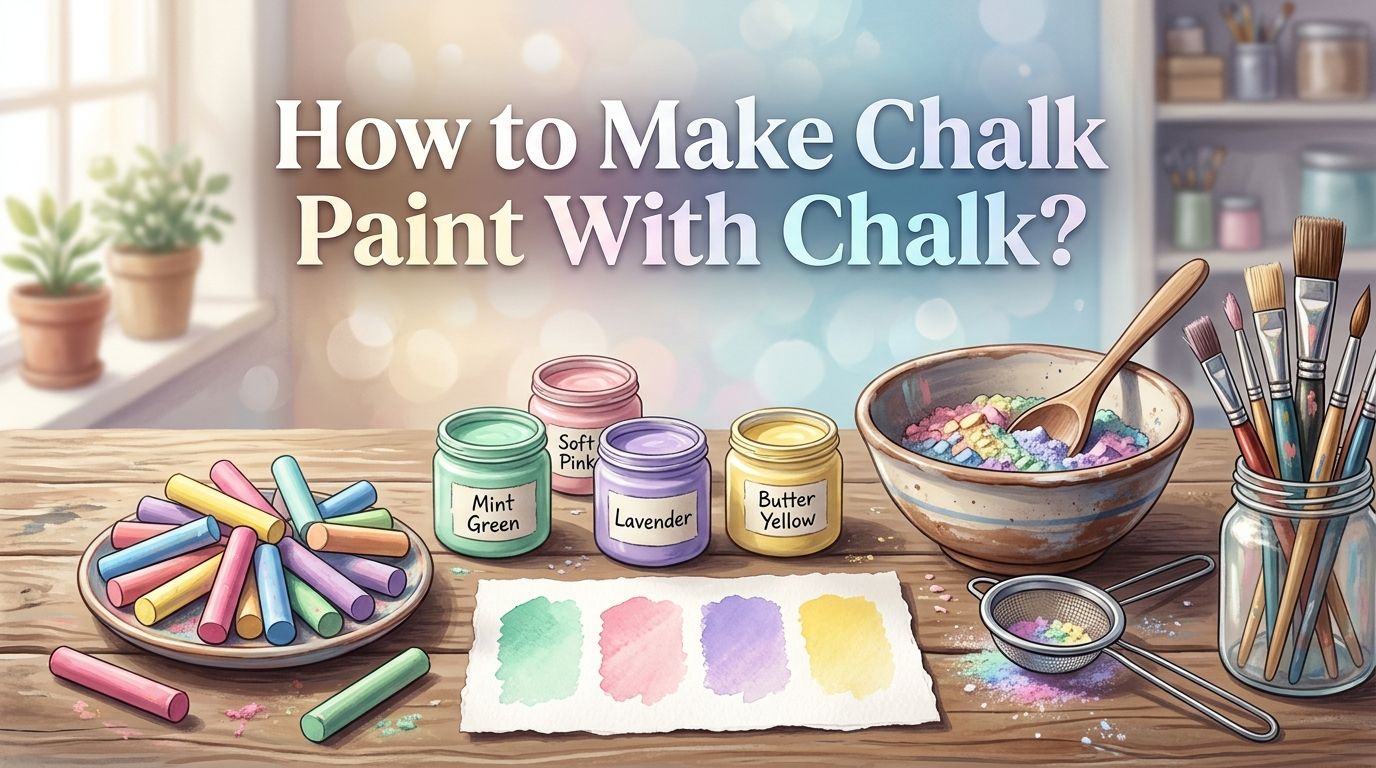
You love the matte, vintage look of chalk paint on furniture, but the price tag of store bought chalk paint can sting. What if you could make your own chalk paint using actual chalk?
The good news is you absolutely can. Whether you have a bag of calcium carbonate powder, a box of old sidewalk chalk sticks, or even classroom chalk collecting dust, you can turn these into beautiful, rich chalk paint at home.
This guide walks you through every method, recipe, and practical tip you need to create chalk paint with chalk. You will learn the exact ratios, the tools required, and the mistakes to avoid.
Key Takeaways
- Chalk paint is easy and cheap to make at home. You do not need fancy ingredients or special skills. A few household items and some chalk are all it takes to create a paint with that signature matte, velvety finish.
- Calcium carbonate powder is the best form of chalk for furniture paint. It mixes smoothly into latex paint and produces a consistent finish. The standard recipe calls for 4 tablespoons of calcium carbonate, 2 tablespoons of water, and 1 cup of flat latex paint.
- Crushed sidewalk chalk sticks work great for outdoor chalk paint. Kids love this version. You crush the chalk into a fine powder, mix it with water and cornstarch, and get a washable, colorful paint for driveways and patios.
- You must seal DIY chalk paint on furniture. Without a topcoat like wax or polyurethane, the paint will scratch, chip, and wear off quickly. Sealing is a required final step.
- Homemade chalk paint saves you 50% to 80% compared to store bought brands. A quart of popular chalk paint can cost $35 or more. Making your own costs just a few dollars per batch, and you get full control over color and texture.
- Different recipes have different strengths. The calcium carbonate method gives the smoothest finish. Plaster of Paris dries faster but can be lumpy. Baking soda is the easiest option but produces a grainier texture.
How to Understand What Chalk Paint Actually Is
Chalk paint is a type of paint known for its ultra matte, powdery finish. It sticks to most surfaces without sanding or priming. That is what makes it so popular for furniture makeovers, home decor projects, and upcycling.
The “chalk” in chalk paint refers to its main addite: calcium carbonate, which is the chemical compound found in natural chalk. Store bought chalk paint brands blend calcium carbonate into their paint formula to create that thick, creamy consistency and flat finish.
When you make chalk paint at home with chalk, you are doing the same thing. You are adding a fine chalk powder to regular paint. The result is a paint that covers well, dries quickly, and gives your projects a beautiful vintage or farmhouse style look. Understanding this simple science makes the whole DIY process feel less mysterious.
How to Choose the Right Type of Chalk for Your Project
Not all chalk is the same, and the type of chalk you use matters a lot. Your choice depends on what you plan to paint and the finish you want to achieve.
Calcium carbonate powder is pure, food grade chalk. It creates the smoothest and most professional looking chalk paint. This is the top choice for furniture and home decor. You can find it at craft supply stores, garden centers, or online.
Sidewalk chalk sticks are made from calcium sulfate (plaster of Paris) mixed with pigment. They work well for outdoor chalk paint projects. Crushing them into powder takes extra effort, but the result is a fun, colorful paint perfect for kids.
Classroom chalk is similar to sidewalk chalk but thinner and more brittle. It crushes more easily and can work for both outdoor paint and small craft projects.
Pros of calcium carbonate: smooth finish, mixes easily, best for furniture. Cons: you need to purchase the powder separately. Pros of sidewalk chalk: free colors, great for kids, uses old chalk. Cons: grainier texture, not ideal for furniture.
How to Make Chalk Paint With Calcium Carbonate Powder
This is the gold standard recipe for DIY chalk paint on furniture. It produces a smooth, consistent finish that rivals store bought brands.
Ingredients: 4 tablespoons of calcium carbonate powder, 2 tablespoons of warm water, and 1 cup of flat or eggshell latex paint in your chosen color.
Step 1: Add the calcium carbonate powder to a mixing container. Step 2: Pour in the warm water and stir until you get a smooth, lump free paste. This step is critical.
Do not skip the pre mixing. If you dump the powder directly into paint, you will get clumps. Step 3: Slowly add the latex paint to the paste while stirring continuously. Step 4: Mix thoroughly for two to three minutes until the paint is completely smooth and uniform.
The result is a thick, creamy paint that glides onto surfaces. This recipe works best on wood, metal, glass, and even laminate. One cup of paint covers roughly 30 to 40 square feet in a single coat.
How to Make Chalk Paint by Crushing Sidewalk Chalk Sticks
This method is perfect for outdoor fun with kids or recycling old broken chalk pieces. It is simple, safe, and produces a washable paint.
Step 1: Sort your chalk sticks by color. Place each color group into a separate plastic zip bag. Step 2: Seal the bag and use a hammer, mallet, or rolling pin to crush the chalk into the finest powder possible.
The finer the powder, the smoother your paint. Step 3: Mix 1 cup of water with 2/3 cup of cornstarch in a large bowl. Stir until smooth. Step 4: Divide this mixture into smaller containers, one for each color. Step 5: Add 1 to 2 tablespoons of crushed chalk powder to each container and stir well.
You now have vibrant, washable chalk paint ready for sidewalks, driveways, and poster boards. It rinses away with water, so cleanup is a breeze. If the paint feels too thick, add a splash of water. If it feels too thin, add more cornstarch.
Pros: free to make with old chalk, safe for young children, washes off easily. Cons: not suitable for furniture, dries quickly in the container, requires effort to crush chalk finely.
How to Prepare Your Surface Before Applying DIY Chalk Paint
One of the biggest advantages of chalk paint is that it requires minimal surface preparation. But “minimal” does not mean “none.” A few quick steps make a big difference in your final result.
Wipe the surface clean. Use a damp cloth to remove dust, grease, and grime. For kitchen furniture, a mix of warm water and a drop of dish soap works well. Let the surface dry completely before painting.
Remove loose or peeling old paint. If the existing finish is flaking, lightly sand those areas with 150 grit sandpaper. You do not need to sand the entire piece. Just knock down the rough spots.
Remove hardware. Take off drawer pulls, hinges, and knobs before painting. This gives you clean edges and prevents paint buildup on metal parts.
Skipping surface prep is the number one reason DIY chalk paint projects fail. Even a thin layer of kitchen grease or furniture polish can prevent the paint from bonding properly. A five minute wipe down saves hours of frustration later.
How to Apply DIY Chalk Paint for a Smooth, Even Finish
Application technique affects your final result just as much as the recipe itself. The right brush and the right strokes make all the difference.
Use a high quality brush with synthetic bristles or a round wax brush. Foam rollers also work for flat surfaces like tabletops. Dip your brush into the paint and apply it in long, even strokes. Chalk paint is forgiving, so do not worry about perfection on the first coat.
Apply thin coats rather than one thick coat. Thick layers take longer to dry and are more likely to peel. Two thin coats almost always look better than one heavy coat. Allow 30 minutes to one hour of drying time between coats.
For a smooth finish, lightly sand between coats with 220 grit sandpaper. Wipe away the dust with a tack cloth before applying the next layer. For a more textured, rustic look, skip the sanding and let the brush strokes show.
Pros of thin coats: less dripping, faster drying, stronger adhesion. Cons: requires two to three coats for full coverage, which takes more time overall.
How to Fix Common Problems With Homemade Chalk Paint
Even experienced DIYers run into issues. Here are the most common problems and their quick fixes.
Lumpy paint: This happens when the chalk powder is not fully dissolved before adding paint. Fix it by straining the paint through a fine mesh sieve or old pantyhose. For future batches, always dissolve the powder in water first and stir until completely smooth.
Paint too thick: Add a small amount of water, one teaspoon at a time, and stir. Do not add too much at once or you will make the paint too runny.
Paint too thin: Add a bit more calcium carbonate mixed with a tiny splash of water. Stir it in gradually until you reach the right consistency.
Poor adhesion: The surface was probably dirty or had a glossy sealant. Clean it with a degreaser, lightly sand it, and try again.
Cracking or flaking after drying usually means the coat was too thick. Sand it down, clean the dust, and apply a thinner layer next time.
How to Seal and Protect Your Chalk Painted Furniture
This step is non negotiable. Unsealed chalk paint is porous and vulnerable to scratches, stains, and moisture. You must seal every chalk painted piece you plan to use.
Wax is the classic sealant for chalk paint. Apply a thin layer of clear paste wax using a wax brush or lint free cloth. Work it into the paint in circular motions. Let it dry for 15 to 20 minutes, then buff with a clean, soft cloth until smooth. Wax gives a soft, warm sheen and deepens the paint color slightly.
Water based polyurethane is another excellent option. It provides a harder, more durable finish than wax. This is the better choice for high traffic pieces like kitchen tables and dressers. Apply it with a synthetic brush in thin, even coats. Allow each coat to dry fully before adding the next.
Pros of wax: easy to apply, beautiful matte finish, easy to repair. Cons: less durable, needs reapplication every six to twelve months. Pros of polyurethane: very durable, long lasting, water resistant. Cons: can look slightly plastic if over applied, harder to touch up.
How to Add Color and Custom Tints to Your DIY Chalk Paint
One of the best parts of making your own chalk paint is total control over color. You can match any shade you want.
The simplest approach is to start with a latex paint in the color you like. The calcium carbonate recipe works with any color of flat or eggshell latex paint. Choose your base color and then add the chalk mixture. The chalk will lighten the color slightly, so pick a shade one step darker than your target color.
For outdoor sidewalk chalk paint, the chalk sticks themselves provide the color. Crushing red chalk gives you red paint. Mixing two crushed colors together lets you create custom shades.
You can also use universal paint tints from hardware stores. Add a few drops of tint to a white chalk paint base and mix until you achieve the shade you want. This is a great way to get unusual or specific colors that you cannot find in premixed paint.
Test your color on a scrap piece of wood or cardboard before committing. Chalk paint dries lighter than it looks when wet, so always let your test swatch dry completely before judging the color.
How to Store Leftover Homemade Chalk Paint
Proper storage keeps your homemade chalk paint fresh and usable for weeks or even months. A few simple steps prevent waste and save you money.
Pour leftover paint into an airtight container. Glass mason jars work perfectly. Seal the lid tightly and store it in a cool, dry place away from direct sunlight. Do not store it in extreme cold, as freezing will ruin the paint.
Label each jar with the date, color, and recipe used. This helps you remember the mix for future touch ups. Chalk paint made with calcium carbonate can last several weeks in a sealed container. Sidewalk chalk paint made with cornstarch should be used within one to two days because the cornstarch settles and thickens over time.
Before reusing stored paint, stir it thoroughly. The chalk may settle to the bottom. If the paint has thickened, add a teaspoon of water and stir until smooth.
Pro tip: If you notice a foul smell or mold growth, discard the paint immediately. This can happen if the container was not sealed properly or if organic matter contaminated the batch.
How to Decide Between DIY Chalk Paint and Store Bought Chalk Paint
This choice comes down to your budget, project size, and desired finish quality.
DIY chalk paint costs a fraction of store bought options. You can make a full cup of paint for under two dollars. It is perfect for large furniture projects, practice pieces, or anyone on a tight budget. The calcium carbonate recipe produces a finish very close to premium brands.
Store bought chalk paint offers consistency, a wider color range, and a proven formula. It requires no mixing, no measuring, and no troubleshooting. If you are working on a special piece or want a guaranteed result, store bought paint may be worth the extra cost.
Pros of DIY: very affordable, customizable colors, satisfying to make. Cons: requires mixing, slight batch to batch variation, may need practice. Pros of store bought: consistent quality, no prep work, reliable adhesion. Cons: expensive (often $35 to $40 per quart), limited to available colors.
For most people, starting with DIY chalk paint and upgrading to store bought for special projects is the most practical approach.
How to Use Chalk Paint for Kids’ Art Projects Safely
Making chalk paint with crushed chalk sticks is a wonderful activity for children. It combines art, science, and outdoor play in one project.
Use only non toxic sidewalk chalk and food safe ingredients like cornstarch and water. Avoid any recipes that include chemicals, solvents, or adult grade paint products. The basic recipe of cornstarch, water, and crushed chalk is completely safe for children of all ages.
Set up the activity outdoors on a driveway, patio, or sidewalk. Give each child a muffin tin filled with different colors and some wide paintbrushes. Let them paint freely and watch their creativity take off.
The paint washes away with water and a garden hose, so cleanup is easy. For a puffier texture, add a tablespoon of shaving cream to each color. This creates a 3D paint effect that kids find exciting.
Always supervise young children during the crushing step. Using a hammer or mallet requires adult help. A safer option for little ones is to place chalk in a sealed bag and let them roll over it with a rolling pin.
Frequently Asked Questions
How long does homemade chalk paint last on furniture?
Homemade chalk paint lasts for years on furniture if you seal it properly with wax or polyurethane. The paint itself bonds well to most surfaces, but the sealant is what protects it from everyday wear. Without a topcoat, the paint will start to rub off within weeks. Reapply wax every six to twelve months for ongoing protection.
Can you use regular classroom chalk to make chalk paint for furniture?
Regular classroom chalk can be crushed into powder and added to paint, but it contains calcium sulfate rather than calcium carbonate. This produces a slightly grainier texture. For the best results on furniture, use calcium carbonate powder. Classroom chalk works better for outdoor or temporary art projects.
Does DIY chalk paint need a primer?
No. One of the main benefits of chalk paint is that it adheres to most surfaces without primer. This includes wood, metal, laminate, and even glass. Just make sure the surface is clean and free of grease. If you are painting over a very dark color with a light one, a coat of primer can help with coverage but is not required.
How many coats of homemade chalk paint do you need?
Most projects need two coats for solid, even coverage. Some dark colors may cover in one coat, while very light colors over dark surfaces may need three. Apply thin, even coats and let each one dry for at least 30 minutes before adding the next.
Can you mix chalk paint colors together?
Absolutely. You can blend two or more batches of chalk paint to create custom colors. Mix small amounts first to test the shade. Write down the ratios so you can recreate the color if you need more paint later. This is one of the biggest advantages of making your own chalk paint at home.

Hi, I’m Zoe Ward, the creator and voice behind Fine Brush Vault. I’m passionate about art, painting, and exploring the world of colors. I spend my time testing and reviewing art supplies to help fellow creators find the best tools for their craft. Through honest reviews and detailed guides, my goal is to make your creative journey easier and more inspiring.