Can You Use Acrylic Paint on Wood? A Complete Guide
So you have a wooden craft, an old piece of furniture, or a blank wood panel sitting in front of you. You are holding a bottle of acrylic paint and wondering: can you actually use this on wood?
The short answer is yes. Acrylic paint works beautifully on wood surfaces. But here is the catch. If you skip the right preparation steps or choose the wrong finish, your paint could peel, crack, or look uneven within weeks.
This guide covers everything you need to know about using acrylic paint on wood. You will learn how to prepare, prime, paint, and seal your project for a result that looks professional and lasts for years.
In a Nutshell
- Yes, acrylic paint adheres well to wood surfaces and is one of the most popular choices for wood painting projects. It is water based, dries fast, and comes in a wide range of colors. Here are the key points to keep in mind before you start your project:
- Preparation is essential. Raw wood must be sanded and primed before you apply acrylic paint. Skipping this step leads to uneven color, poor adhesion, and peeling over time. A smooth, primed surface gives your paint the best foundation.
- Use gesso or a quality primer. Gesso seals the wood grain and prevents the paint from soaking into the fibers unevenly. This one step makes a dramatic difference in the final look of your project.
- Apply thin, even coats. Thick layers of acrylic paint are more likely to crack, drip, and dry unevenly. Two or three thin coats produce a smoother and more durable finish than one heavy coat.
- Always seal your finished piece. Acrylic paint on its own is not waterproof. A clear sealer such as polycrylic or polyurethane protects the surface from moisture, scratches, and UV damage.
- Outdoor projects need extra protection. If your painted wood will sit outside, you need an exterior grade sealer and possibly a UV resistant topcoat to prevent fading and weather damage.
- Choose the right type of acrylic paint. Craft grade acrylics work fine for small decorative items. For furniture or large surfaces, artist grade or exterior acrylic paint provides better coverage and durability.
Why Acrylic Paint Works Well on Wood
Acrylic paint bonds effectively with wood because of its water based polymer formula. As the water evaporates, the acrylic polymers form a flexible film that grips the wood fibers. This creates a strong bond that resists cracking as the wood expands and contracts with temperature changes.
Wood is a porous material, and acrylic paint takes advantage of that porosity. The paint seeps slightly into the surface, which helps it anchor in place. This is one reason acrylic paint often outperforms oil based alternatives on wood crafts and furniture.
Acrylic paint also dries quickly, usually within 20 to 30 minutes per coat. This speeds up your workflow significantly. You can complete a multi coat project in a single afternoon. The low odor and easy soap and water cleanup make it a practical choice for indoor use as well.
How to Prepare Wood for Acrylic Paint
Surface preparation determines at least half of your final result. Start by inspecting the wood for rough spots, splinters, knots, or old finishes. If the wood has a previous coat of paint or varnish, you need to remove it or sand it down completely.
Use 120 to 150 grit sandpaper for the initial sanding pass. This removes surface imperfections and opens up the wood grain. Follow up with 220 grit sandpaper for a smoother finish. Always sand in the direction of the wood grain to avoid scratch marks.
After sanding, wipe the entire surface with a tack cloth or a damp lint free rag. This removes all dust particles that could get trapped under your paint. Let the wood dry fully before moving to the next step. Skipping dust removal is one of the most common reasons paint looks bumpy or uneven.
Choosing the Right Primer for Wood
Primer acts as a bridge between the raw wood and your acrylic paint. It seals the wood pores, prevents tannin bleed through from knots, and gives the paint a uniform base to stick to. You have a few good options here.
Gesso is the go to primer for artists painting on wood panels. It creates a slightly textured surface that holds paint well. Apply one to two coats with a wide flat brush and let each coat dry completely. Light sanding between coats of gesso produces an extra smooth surface.
Acrylic primer from a hardware store works best for furniture and larger projects. It provides strong adhesion and good coverage. Shellac based primer is ideal for wood with heavy knots or stains because it blocks tannin bleed through more effectively than water based options.
Pros of priming: better paint adhesion, more even color, longer lasting finish.
Cons of priming: adds time and an extra step to your project.
Step by Step Guide to Painting Wood With Acrylics
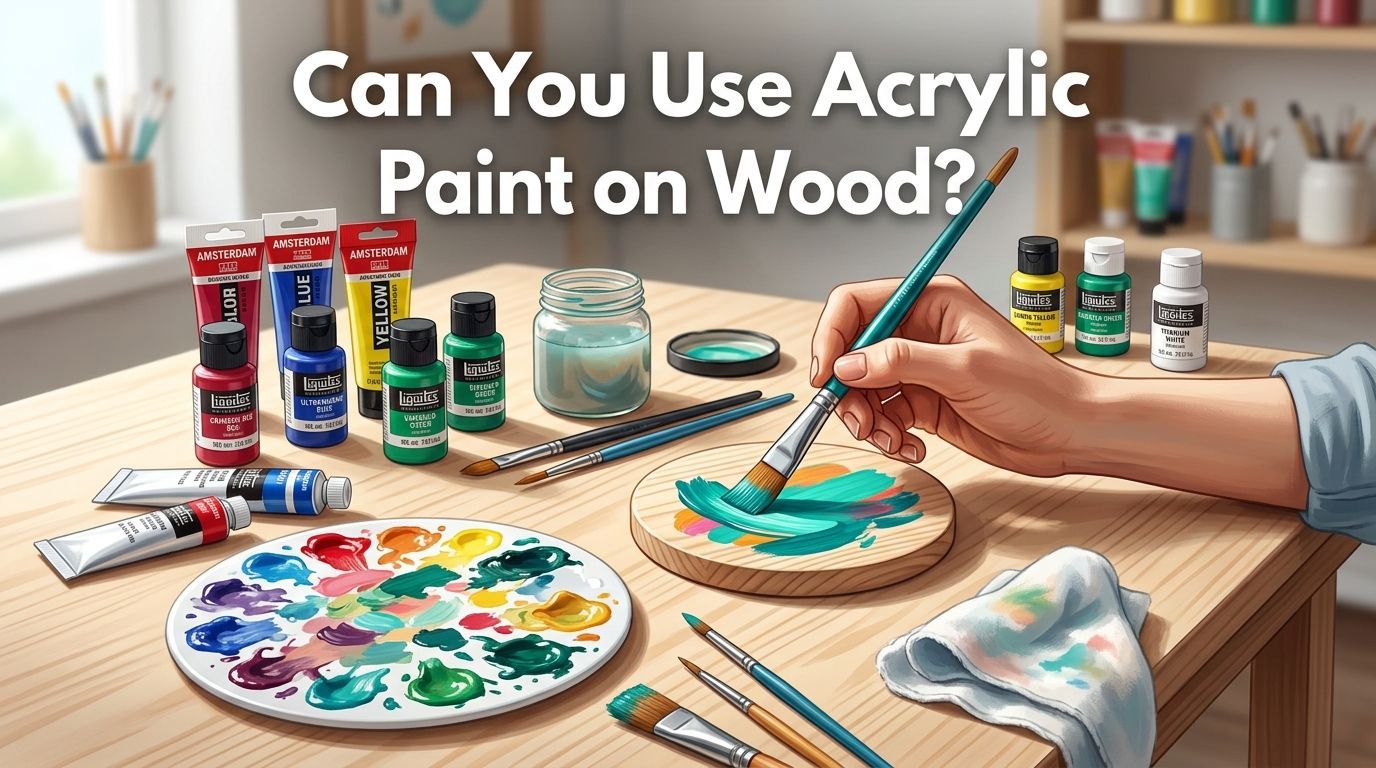
Once your wood is sanded and primed, you are ready to paint. Gather your acrylic paint, a set of quality brushes or a foam roller, a palette, and a cup of clean water. Follow these steps for the best results.
Step 1: Stir your acrylic paint gently. Do not shake it, as shaking introduces air bubbles that show up in your finish. Step 2: Load your brush with a moderate amount of paint. Tap off any excess on the edge of your palette.
Step 3: Apply your first coat using long, even strokes in one direction. Work quickly and avoid going over areas that have started to dry. Step 4: Let the first coat dry completely, which usually takes 30 to 60 minutes depending on thickness and humidity.
Step 5: Lightly sand the surface with 320 grit sandpaper between coats. Wipe away the dust. Step 6: Apply a second coat using the same technique. Most projects need two to three coats for full, opaque coverage.
Best Types of Acrylic Paint for Wood Projects
Not all acrylic paints are created equal. The type you choose should match the scale and purpose of your project. Here is a breakdown of the main categories.
Craft acrylic paint is affordable and available in many colors. It works well for small decorative items, signs, and ornaments. The pigment density is lower than artist grade paint, so you may need more coats. It is a solid choice for beginners and casual crafters.
Artist grade acrylic paint has a higher pigment concentration and produces richer, more vibrant colors. It covers wood more efficiently and blends more smoothly for detailed artwork. The cost per bottle is higher, but you use less paint per coat.
Exterior acrylic paint is formulated to resist moisture, UV light, and temperature swings. Use this type for any wood project that will live outdoors, such as garden signs, birdhouses, or porch furniture.
Pros of craft acrylics: low cost, huge color selection.
Cons of craft acrylics: thinner consistency, may need more coats.
Pros of artist grade: rich color, excellent coverage.
Cons of artist grade: higher price per unit.
How to Seal Acrylic Paint on Wood
Sealing your painted wood is the final and most important protective step. Without a sealer, acrylic paint can scratch, chip, and absorb moisture over time. The right sealer extends the life of your project by years.
Polycrylic sealer is water based, dries clear, and works perfectly for indoor projects. Apply it with a synthetic bristle brush in thin, even coats. It does not yellow over time, making it ideal for light colored or white painted surfaces.
Polyurethane sealer provides a tougher finish and is better suited for outdoor furniture or high traffic items. Oil based polyurethane adds a warm amber tone, while water based versions stay clear. Note that oil based polyurethane can slightly yellow lighter paint colors.
Spray sealers offer convenience for small items and detailed pieces. Hold the can 10 to 12 inches away and apply in light, sweeping passes. Two to three light coats give better results than one heavy coat.
Pros of polycrylic: stays clear, low odor, easy cleanup.
Cons of polycrylic: less durable than polyurethane for heavy use.
Pros of polyurethane: extremely durable, great for outdoor use.
Cons of polyurethane: oil based versions can yellow over time.
Using Acrylic Paint on Wood Furniture
Painting wood furniture with acrylics is a popular way to refresh old pieces without spending a fortune. The key difference between furniture and small crafts is that furniture takes daily wear and needs extra durability.
Start by removing all hardware, drawers, and doors. Clean the furniture thoroughly with a degreasing solution to remove oils, wax, and grime. Sand the entire surface with 150 grit sandpaper, then follow with 220 grit for smoothness.
Apply a bonding primer designed for furniture. This step is critical because furniture often has old finishes that resist new paint. After priming, apply two to three thin coats of acrylic paint, sanding lightly between each coat.
Finish with at least two coats of a durable topcoat such as polycrylic or water based polyurethane. Let the final coat cure for at least three to seven days before placing objects on the surface or using the furniture normally. Rushing this step leads to sticky spots and fingerprint marks.
Can You Use Acrylic Paint on Wood Outdoors?
You can use acrylic paint on outdoor wood, but you must take extra precautions. Outdoor conditions like rain, sunlight, and temperature shifts break down unprotected acrylic paint faster than indoor environments.
Choose an exterior grade acrylic paint that is specifically labeled for outdoor use. These paints contain additives that resist UV fading and moisture penetration. Regular indoor craft acrylics will fade and peel within a few months if used outdoors without modification.
After painting, apply an exterior grade polyurethane sealer or a marine varnish. These sealers create a waterproof barrier that protects against rain and humidity. Reapply the sealer once a year for items exposed to direct weather.
Pros of acrylic paint outdoors: flexible finish that resists cracking, fast drying, low VOC.
Cons of acrylic paint outdoors: requires exterior grade products and regular resealing, can fade without UV protection.
Common Mistakes to Avoid
Many people run into problems because they skip one or two simple steps. Here are the most frequent mistakes and how to avoid them.
Skipping the sanding step leaves the wood surface too smooth or too rough for paint to grip properly. Always sand your wood, even if it looks smooth to the touch. Painting on damp wood is another major issue. Moisture trapped under acrylic paint causes bubbles and peeling. Make sure your wood is completely dry before priming or painting.
Applying coats too thick creates drips, uneven texture, and longer drying times. Thick coats are also more likely to crack as they dry. Forgetting to seal the finished piece leaves your work vulnerable to water damage, scratches, and fading.
Not sanding between coats reduces adhesion between layers. A quick pass with fine grit sandpaper gives each new coat something to grab onto.
How to Fix Peeling or Chipping Acrylic Paint on Wood
If your acrylic paint has already started peeling or chipping, you can repair it. The process requires removing the damaged paint and reapplying fresh coats with proper preparation.
First, scrape away all loose and flaking paint using a putty knife or paint scraper. Be gentle to avoid gouging the wood underneath. Sand the exposed area and the edges of the remaining paint with 150 grit sandpaper to create a smooth transition.
Wipe the area clean, then apply a coat of primer to the bare wood. Let it dry, then repaint with thin, even coats of acrylic paint. Feather the new paint into the surrounding area so the repair blends seamlessly.
Once the paint is dry, seal the entire surface with a clear topcoat. This prevents the same problem from happening again. If peeling was caused by moisture, address the moisture source before repainting.
Acrylic Paint vs. Other Paint Types for Wood
Acrylic paint is not your only option for wood. Understanding how it compares to other paint types helps you make the right choice for your specific project.
Oil based paint provides an extremely hard and durable finish. It is excellent for trim, cabinets, and high traffic surfaces. However, it takes much longer to dry, produces strong fumes, and requires mineral spirits for cleanup. Acrylic paint is easier to work with and safer for indoor use.
Chalk paint creates a soft, matte, vintage look without heavy sanding or priming. It adheres to most surfaces with minimal preparation. The downside is that chalk paint must be sealed with wax or a topcoat and is generally less durable than acrylic for everyday use.
Latex paint is similar to acrylic paint because both are water based. The main difference is that latex paint often contains a mix of binders, while acrylic paint uses 100% acrylic polymers. Pure acrylic paint is typically more flexible and durable, especially in outdoor applications.
Pros of acrylic vs oil: faster drying, low odor, easy cleanup.
Cons of acrylic vs oil: may be less hard wearing on very high traffic surfaces.
Tips for Getting a Professional Finish
A few extra steps separate an amateur paint job from a professional looking result. These tips apply to crafts, artwork, and furniture alike.
Invest in quality brushes. Cheap brushes shed bristles and leave streak marks. Synthetic bristle brushes work best with acrylic paint. For large flat surfaces, a small foam roller delivers an ultra smooth finish with no brush marks.
Thin your paint slightly with water if it feels too thick. A few drops of water improve flow and help eliminate visible brush strokes. Do not add too much water, or you will reduce the paint’s opacity and adhesion.
Work in a clean, well ventilated space with low humidity. Dust in the air settles on wet paint and creates bumps. Temperature matters too. Acrylic paint performs best between 50°F and 85°F (10°C to 29°C). Painting in extreme cold or heat causes adhesion problems and uneven drying.
Let each coat dry fully before adding the next. Patience during the drying stages produces a smoother, more durable finish than rushing through multiple coats.
Frequently Asked Questions
Do you need to prime wood before using acrylic paint?
Yes, priming is strongly recommended. Primer seals the wood grain, prevents uneven absorption, and gives the acrylic paint a better surface to bond with. Skipping primer often results in blotchy color and paint that peels over time. Gesso works well for art projects, while a standard acrylic primer is ideal for furniture and large surfaces.
Is acrylic paint waterproof on wood?
Acrylic paint is water resistant once it dries, but it is not fully waterproof. Prolonged exposure to moisture can damage acrylic paint on wood. You need to apply a clear sealer such as polyurethane or polycrylic to make the surface waterproof. This is especially important for items used outdoors or in kitchens and bathrooms.
How many coats of acrylic paint do you need on wood?
Most projects require two to three thin coats for full, even coverage. Darker colors and artist grade paints may cover in two coats. Lighter colors and craft grade acrylics often need three coats to look opaque and uniform. Always let each coat dry completely and sand lightly between coats for the best adhesion.
Can you use acrylic paint on stained wood?
You can paint over stained wood, but you must sand the surface first to remove the glossy finish and give the paint something to grip. Apply a primer after sanding, especially if the stain is dark. Without primer, the stain color can bleed through lighter acrylic paint and alter the final shade.
How long does acrylic paint last on wood?
With proper preparation, priming, and sealing, acrylic paint can last many years on wood. Indoor items may stay in great condition for a decade or more. Outdoor pieces need annual maintenance, including resealing, to maintain their appearance. The longevity depends on sun exposure, moisture levels, and the quality of the products you use.
What is the best sealer for acrylic paint on wood?
The best sealer depends on the project. Polycrylic is excellent for indoor items because it stays clear and has low odor. Water based polyurethane offers stronger protection for furniture and high use surfaces. Marine varnish or exterior grade polyurethane provides the most protection for outdoor wood projects exposed to rain and sun.

Hi, I’m Zoe Ward, the creator and voice behind Fine Brush Vault. I’m passionate about art, painting, and exploring the world of colors. I spend my time testing and reviewing art supplies to help fellow creators find the best tools for their craft. Through honest reviews and detailed guides, my goal is to make your creative journey easier and more inspiring.