How to Keep Acryla Gouache From Drying Instantly on the Mixing Palette?
Acryla gouache is a dream paint for many artists. It dries to a velvety matte finish, layers beautifully, and locks in once cured. But that same fast drying turns into a nightmare on the mixing palette.
You squeeze out a fresh blob, mix a perfect color, and within minutes it forms a rubbery skin. By the time you load your brush, the paint has already turned to plastic.
This problem hits every acryla gouache user, from beginners to professionals. Unlike traditional gouache, acryla gouache contains an acrylic binder. Once it dries, water cannot bring it back. So the only real solution is to stop it from drying in the first place.
Key Takeaways
- Use a stay wet palette. A sealed container with a damp sponge and parchment paper on top is the single most effective fix. It can keep your paint workable for hours or even days.
- Mist your paint often. A fine mist spray bottle with clean water lets you refresh your palette every few minutes. Avoid heavy spraying because it thins the paint and ruins coverage.
- Add a slow drying medium. Acrylic retarder or acryla gouache slow drying medium extends the open time. A small drop in each color makes a big difference without changing the matte finish.
- Squeeze out small amounts. Only put out what you can use in five to ten minutes. Less paint exposed means less paint wasted.
- Control your room conditions. Low humidity and warm air dry paint fast. A small humidifier or a damp towel nearby slows the drying time noticeably.
- Cover your palette when not in use. Even short breaks dry out paint. A cling film cover or airtight lid traps moisture and saves your mixes.
Why Acryla Gouache Dries So Quickly
Acryla gouache is not the same as traditional gouache. It uses an acrylic polymer binder instead of gum arabic. This binder forms a waterproof film as the water evaporates. Once that film sets, you cannot rewet it.
The drying process starts the moment the paint hits the air. Thin layers on a palette dry within two to five minutes in most rooms. Warm rooms, fans, air conditioning, and low humidity speed this up even more.
Traditional gouache stays workable because it can be rewet with water at any time. Acryla gouache cannot. This is why standard palette tricks for watercolor or regular gouache fail with this paint. You need methods built for fast drying acrylics.
Use a Stay Wet Palette as Your Main Tool
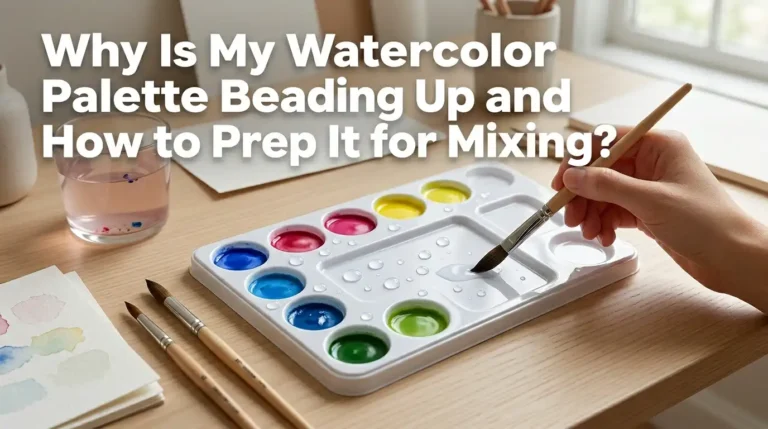
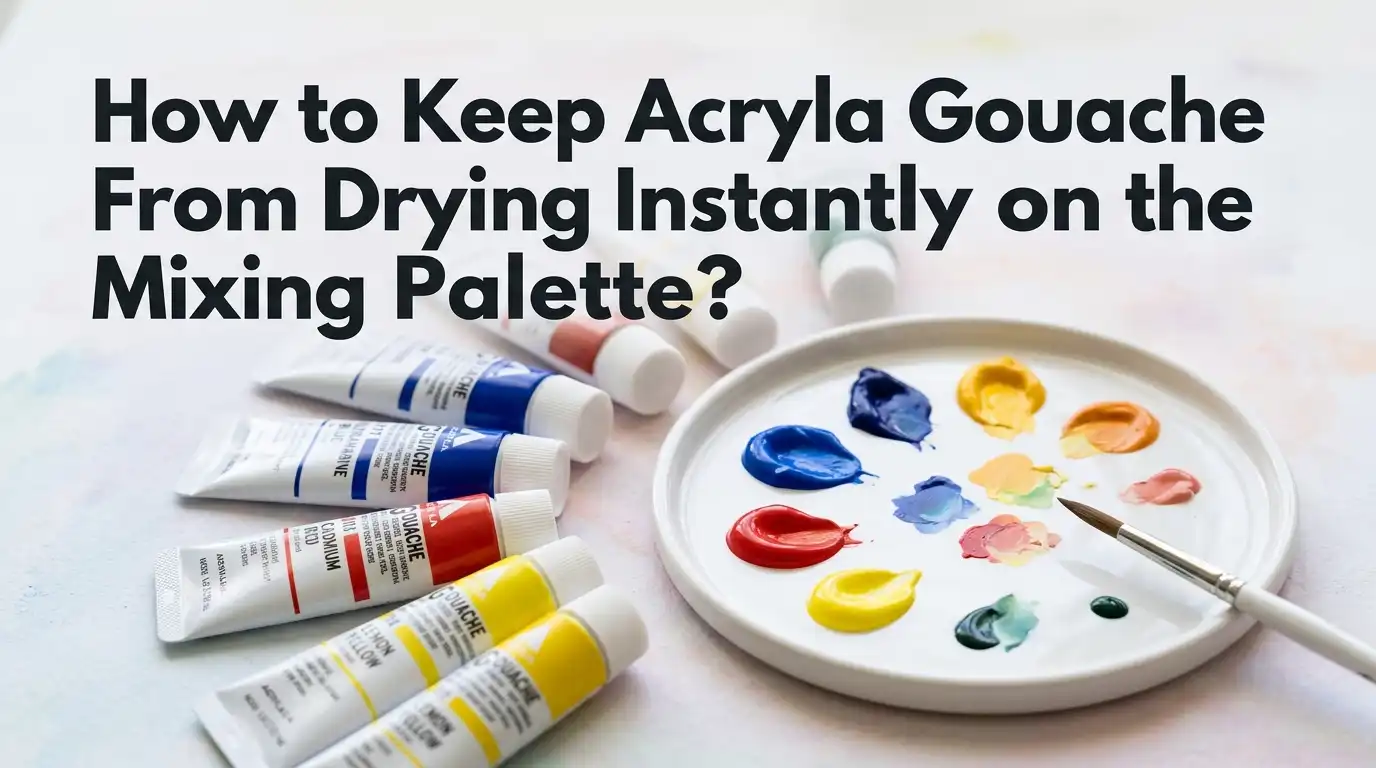
A stay wet palette is the most reliable fix for fast drying acryla gouache. It is a shallow sealed tray that holds a layer of moisture under your paint. The moisture rises slowly through a paper sheet and keeps the paint workable for hours.
You can buy one ready made or build one at home. A homemade version uses a flat plastic container, a sponge or thick paper towels, and a sheet of baking parchment paper on top. Soak the sponge, place the parchment, and squeeze your paint on top.
Pros: Long working time, even drying, less wasted paint, paint stays usable across multiple sessions.
Cons: Too much water can make paint runny, mold can grow if left for weeks, parchment can wrinkle, and acryla gouache may still skin over faster than regular gouache.
Build a DIY Wet Palette at Home
You do not need to spend money to fix this problem. A DIY wet palette works just as well as store bought versions for most artists. Grab a shallow food container with a tight lid, a kitchen sponge or a few folded paper towels, and parchment baking paper.
Soak the sponge in clean water and place it flat in the container. Cut the parchment paper to size and lay it on top. Press out any air bubbles. Wait two minutes for the paper to absorb moisture, then start mixing your paint directly on the parchment.
When you finish your session, snap the lid shut. Your mixed colors will often stay usable for one to three days. Always use parchment paper, not wax paper. Wax paper repels water and will not transfer moisture to your paint.
Try a Slow Drying Medium or Retarder
A retarder is an additive that slows the drying time of acrylic paint. Holbein makes a slow drying medium made for acryla gouache. Other brands like Liquitex and Golden also sell acrylic retarders that work well.
Add a small drop of retarder to each blob of paint as you squeeze it out. Mix it in gently with your brush or palette knife. Start with about five percent retarder and adjust from there. Too much retarder makes the paint sticky and slows curing on your artwork too.
Pros: Extends open time, easy to use, keeps the matte finish, works with any palette.
Cons: Can change the texture slightly, too much weakens the paint film, costs extra money, and may shift drying time of your finished painting.
Mist Your Palette With a Fine Spray Bottle
A small spray bottle is a simple lifesaver. Keep it next to your palette and mist your paint every few minutes. The water sits on the surface and slows evaporation without ruining the paint consistency.
Choose a fine mist sprayer, not a stream nozzle. A heavy spray will create puddles and dilute your colors. Hold the bottle about ten inches above the palette and give one or two light pumps.
Pros: Cheap, fast, easy to control, works with any palette, refreshes paint instantly.
Cons: Needs constant attention, can over thin paint if used too much, water beads up on dried skin, and does not bring back paint that has already cured.
Use this trick alongside other methods for the best results. Misting alone will not save you during long sessions.
Squeeze Out Only What You Need
This sounds obvious but most artists ignore it. Acryla gouache dries fast no matter what you do, so giant blobs are a waste. Squeeze out small pea sized amounts and refill as needed.
If you need a lot of one color, squeeze it out in stages. A fresh small blob every fifteen minutes works better than one big blob that skins over. You will save paint, save money, and reduce frustration.
Plan your palette layout before you start painting. Place your most used colors closest to your dominant hand. Keep less used colors at the edges. This small habit cuts down on mixing time and lets you finish each color blob before it dries.
Control the Room Humidity
Room conditions matter more than most people think. Dry air pulls moisture out of your paint in minutes. Warm air does the same. If you paint in a heated room in winter or near an air conditioner in summer, your acryla gouache will dry almost on contact.
A small room humidifier is the easiest fix. Set it to keep humidity between forty and sixty percent. Place it a few feet from your work area.
If you cannot buy a humidifier, place a bowl of water or a damp towel near your palette. Avoid painting near open windows, fans, or vents. Even a slight breeze speeds up drying. Close doors and reduce airflow during long sessions for the best results.
Use a Glass or Ceramic Palette
The palette surface affects drying time. Porous wood or paper palettes absorb water from your paint and speed up drying. Smooth nonporous surfaces hold moisture longer and keep paint workable for more time.
A glass palette or a ceramic plate is a great choice. They are easy to clean too. Dried acryla gouache peels off glass in sheets after soaking with warm water for a few minutes. White glass or ceramic also helps you judge color accurately.
Pros: Long lasting, easy to clean, smooth mixing surface, no fiber transfer, accurate color view.
Cons: Heavy, breakable, more expensive than plastic, still needs misting or covers to fully stop drying. Pair this with a stay wet system for the best of both worlds.
Cover Your Palette During Breaks
Even a short break can ruin your palette. A bathroom break, a phone call, or a quick stretch is enough time for acryla gouache to skin over. Always cover your palette when you step away.
The easiest cover is plastic cling film. Press it lightly over your wet paint blobs. The film traps moisture and slows drying for up to thirty minutes. For longer breaks, use an airtight lid or a damp paper towel laid gently over the paint.
Some artists keep a second container with a lid to slide their whole palette into. This works well for travel or overnight storage. Just remember acryla gouache will still cure eventually, so try to finish within a day or two.
Mix Paint With a Wet Brush, Not Dry
Your brush matters too. A dry brush pulls moisture out of the paint as you mix. A damp brush adds a tiny amount of water back into the mix. This small habit extends working time by a few extra minutes per blob.
Keep a clean water cup next to your palette. Dip your brush, tap off the excess, and then mix. Never let your brush sit dry for long periods between strokes. Acryla gouache can dry inside the bristles and ruin the brush.
Rinse your brush often during work. Use a brush with synthetic bristles since they hold less paint than natural hair. A clean wet brush keeps your colors fresh and your palette workable.
Work in Smaller Sessions
Sometimes the best fix is to change your workflow. Long painting sessions with one giant palette of mixed colors do not suit acryla gouache. Short focused sessions work much better.
Plan your painting in stages of thirty to sixty minutes. Mix only the colors you need for that stage. Finish that section, clean your palette, and start fresh for the next stage. This matches how acryla gouache wants to behave.
This approach also improves your artwork. You stay focused on one area, your colors stay clean, and you avoid muddy mixes from old dried bits. Many professional acryla gouache artists work this way without any fancy tools.
Store Mixed Colors in Small Containers
If you mix a special color you want to keep, do not leave it on the open palette. Transfer it to a small airtight container right away. Empty lip balm pots, mini jars, or tiny screw top containers all work well.
Add one drop of water before sealing the lid. The water keeps the surface moist while the seal blocks evaporation. Stored this way, custom mixes can last for several days to a week.
Pros: Saves custom colors, reduces waste, lets you match colors across sessions, perfect for large projects.
Cons: Takes extra time, paint may still cure eventually, containers can leak, and acryla gouache can develop a skin even in sealed jars over time. Label each container with the color name and date.
Avoid Common Mistakes That Speed Up Drying
A few small habits make the problem worse. Painting under a hot lamp dries your palette in seconds. Using thick layers of paint creates a fast forming skin on top while the inside stays wet. Mixing too many colors at once leaves blobs sitting unused.
Direct sunlight on your palette is another silent killer. It heats the paint and pulls water out fast. Move your work area away from sunny windows or use a curtain.
Also avoid blowing on your paint to speed up the drying of your artwork. The warm breath moves over your palette too and dries every blob in sight. Patience is your best friend with acryla gouache. Let things dry on their own schedule.
Frequently Asked Questions
Can I rewet dried acryla gouache on my palette?
No. Once acryla gouache dries, it forms a waterproof acrylic film. Water cannot bring it back. You can scrape it off and start with a fresh blob. This is the biggest difference between acryla gouache and traditional gouache.
How long does acryla gouache stay wet on a stay wet palette?
With a good stay wet palette and a sealed lid, acryla gouache can stay workable for one to three days. Some artists report up to a week with careful use. Quality of the seal, room humidity, and paint thickness all affect this.
Does adding water keep acryla gouache from drying?
A light mist of water slows drying for a few minutes. But too much water thins the paint and weakens the binder. Use water along with a stay wet palette or a retarder for the best results.
Can I use a regular acrylic retarder with acryla gouache?
Yes. Most acrylic retarders work fine with acryla gouache. Holbein makes a slow drying medium made for their paint, but Liquitex Slow Dri and Golden Acrylic Retarder also work well. Start with a small amount and test on scrap paper first.
Why does my acryla gouache feel rubbery or plastic?
This is normal for acrylic based paints. The acrylic binder creates a flexible plastic film as it dries. You cannot reverse this on the palette. Squeeze out small amounts to avoid waste.
Is a stay wet palette safe for long term storage of acryla gouache?
Short term yes, long term no. After a few days, mold can grow in the wet sponge. Clean your stay wet palette regularly. Replace the sponge and parchment paper every week or two if you use it often.

Hi, I’m Zoe Ward, the creator and voice behind Fine Brush Vault. I’m passionate about art, painting, and exploring the world of colors. I spend my time testing and reviewing art supplies to help fellow creators find the best tools for their craft. Through honest reviews and detailed guides, my goal is to make your creative journey easier and more inspiring.