How to Rehydrate a Dried Out Fineliner Pen Instantly?
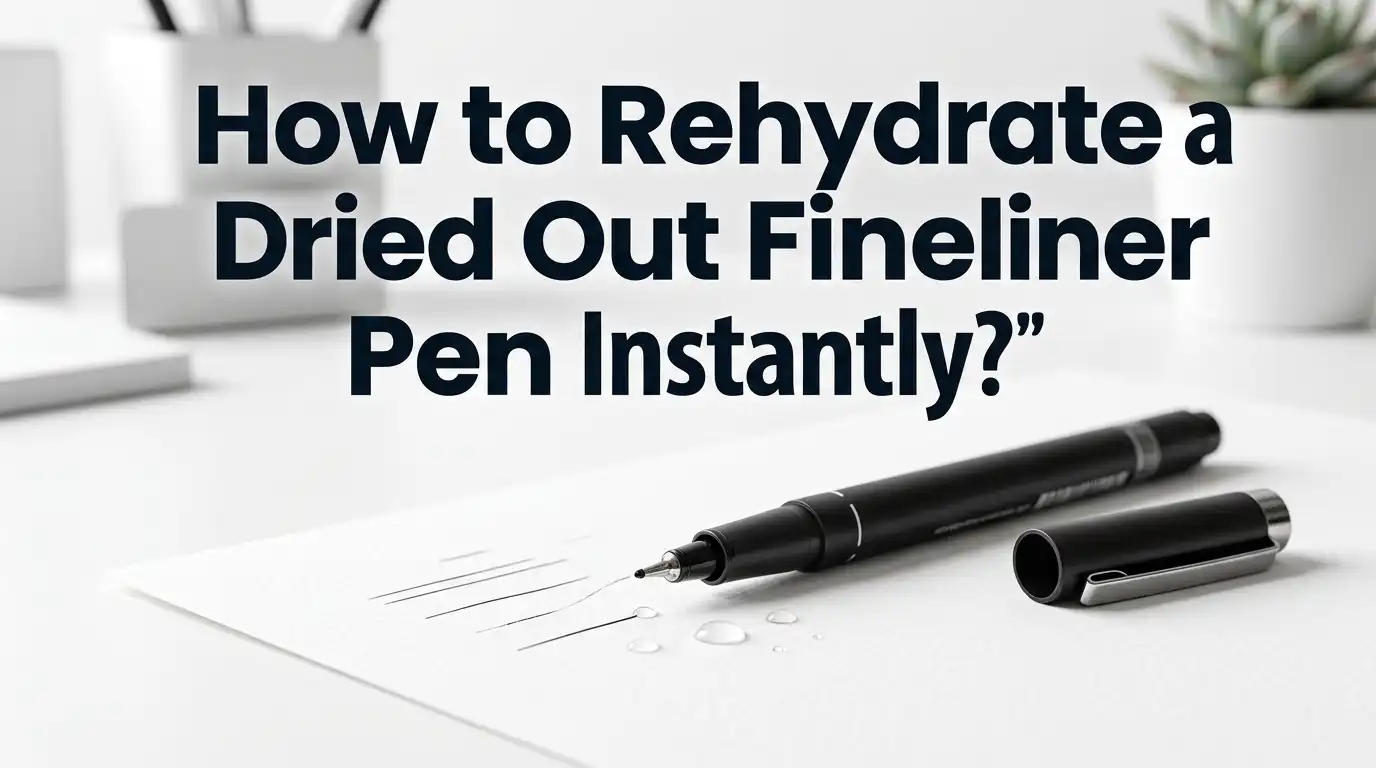
Your favorite fineliner just stopped writing in the middle of a sketch. Annoying, right? Before you toss it in the bin, hold on. A dried fineliner often has plenty of ink left inside.
The tip just lost moisture. With a few simple tricks from your kitchen or bathroom, you can bring that pen back to life in minutes.
This guide walks you through every method that works, plus the pros and cons of each. You will save money, reduce waste, and keep drawing without a pause.
In a Nutshell
- Warm water soak is the safest and quickest fix for most water based fineliners. Just dip the tip for 30 to 60 seconds.
- Rubbing alcohol works best for alcohol based or pigment fineliners like Microns or Copic Multiliners. Use only a few drops.
- Storing the pen tip down with the cap on lets gravity pull ink back to the nib. This often revives a pen overnight.
- Vinegar can help when ink has crystallized inside the nib, but use it sparingly to avoid damage.
- Steam from hot water softens dried ink without soaking the whole nib. Great for delicate tips.
- Prevention matters most. Always cap your pen, store it horizontally, and keep it away from heat to stop drying in the future.
Why Fineliner Pens Dry Out in the First Place
Fineliner pens use a thin felt or plastic nib that holds liquid ink. The ink dries fast on paper because the solvent evaporates quickly. That same property causes trouble when the cap stays off. Air hits the nib, the solvent escapes, and the pigment hardens at the tip.
Heat speeds this up. So does dry indoor air, especially in winter. Storing pens upright with the tip pointing up also pulls ink away from the nib over time.
Knowing the cause helps you pick the right fix. If your pen sat uncapped for an hour, water often works. If it sat for months, you may need alcohol or a longer soak.
Method 1: The Warm Water Dip
This is the fastest fix for most fineliners. Fill a small cup with warm water, not boiling. Dip just the nib, about half a centimeter, into the water for 30 to 60 seconds. You should see faint ink swirls in the water. Pat the tip dry with a paper towel, then test on scrap paper.
Pros: Safe, free, and quick. Works for water based pens like Staedtler Triplus, Stabilo Point 88, and Paper Mate Flair.
Cons: Does not work on alcohol or pigment based pens. If you soak too long, ink may bleed out and weaken the pen. Always start with a short dip and repeat if needed.
Method 2: Rubbing Alcohol Soak for Pigment Pens
Pigment pens like Sakura Pigma Micron, Copic Multiliner, and Faber Castell Pitt Artist Pens need a different approach. Pour a small amount of isopropyl alcohol (70 percent or higher) into a shallow dish. Dip the nib for 15 to 30 seconds.
The alcohol dissolves the dried pigment that clogs the tip. Wipe the nib gently on a tissue, cap the pen, and let it rest for five minutes before testing.
Pros: Highly effective on pigment ink. Works when water fails.
Cons: Alcohol can damage felt tips if you soak too long. It may also dilute the ink slightly, which fades the line. Use it as a second choice, not a first.
Method 3: Store the Pen Tip Down
Sometimes ink is still inside the barrel but cannot reach the nib. Gravity is your friend here. Cap the pen tightly and place it tip down in a cup or holder. Leave it for several hours, ideally overnight.
By morning, the ink usually flows back to the tip. This method works well for newer pens that dried out from being stored upright too long.
Pros: Zero effort, no liquids, no risk of damage.
Cons: Slow. Will not help if the nib itself is clogged with hardened ink. Best used together with the water or alcohol method for stubborn cases.
Method 4: Steam Treatment for Delicate Nibs
Steam adds moisture without soaking the nib. Boil a kettle, then hold the pen tip about 10 centimeters above the spout for 15 to 20 seconds. Be careful with your fingers.
The warm vapor softens the dried ink and reactivates the solvent. Test the pen on paper right after. Repeat once if needed.
Pros: Very gentle. Great for expensive technical pens where soaking feels risky.
Cons: Steam burns are a real risk. Hold the pen with tongs if possible. Also, some plastic barrels may warp if held too close to the steam.
Method 5: White Vinegar for Crystallized Ink
If your pen sat unused for a year or more, the ink may have crystallized. Plain water cannot dissolve those crystals. Mix equal parts white vinegar and warm water in a small dish. Dip the nib for 30 seconds, no longer.
Rinse the tip in plain water afterwards to wash off the vinegar. Pat dry and test.
Pros: Breaks down hardened ink that water alone cannot fix.
Cons: Vinegar is acidic and can corrode metal parts on some pens. It may also leave a faint smell. Use only when other methods fail.
Method 6: The Plastic Bag Humidity Trick
Place the capped pen inside a small zip top bag along with a damp cotton ball. Seal the bag and leave it for 12 to 24 hours. The trapped humidity slowly seeps through the cap and rehydrates the nib from the inside.
This method is great for a batch of dried pens at once. You can fit five or six in a single bag.
Pros: Hands off, gentle, and works on many pens together.
Cons: Slow results. Will not fix a fully clogged nib. Best as a maintenance trick rather than an emergency fix.
Method 7: Refill with a Drop of Solvent
Some fineliners have a screw off back end. If yours does, you can add a single drop of water (for water based ink) or alcohol (for pigment ink) directly into the ink reservoir. Use a pipette or the tip of a toothpick.
Reassemble the pen, shake gently, and store tip down for an hour.
Pros: Adds moisture exactly where it is needed. Extends pen life by weeks.
Cons: Not all fineliners open up. Forcing one apart breaks it. Too much liquid floods the pen and ruins the line quality. Only one drop is enough.
Method 8: The Hot Water Bath for the Whole Pen
For severely dried pens, submerge the entire capped pen (cap on tightly) in warm water for 10 minutes. The heat conducts through the plastic and softens ink throughout the barrel.
Dry the outside completely before uncapping. Then test the pen on paper.
Pros: Reaches dried ink deep inside the pen body.
Cons: Risk of water seeping into the cap and diluting ink at the tip. Some pens leak after this treatment. Treat it as a last resort.
Method 9: Scribble on Rough Paper
After any rehydration method, the pen needs a wake up call. Scribble firmly on a piece of cardboard, sandpaper, or rough printer paper. The friction pulls fresh ink down to the nib and clears any leftover gunk.
Keep scribbling for 30 seconds to a minute. Lines should darken steadily as the ink starts flowing again.
Pros: Costs nothing and works alongside every other method.
Cons: Sandpaper can shred soft felt nibs. Stick to rough paper or cardboard for plastic tipped fineliners. Skip this for ultra fine 005 nibs since they bend easily.
Method 10: Use a Pen Reviver Solution
Some art stores sell pen reviver fluid, also called blender fluid. It is a clear solvent designed to dissolve dried ink without damaging the nib. Add a few drops to the tip or refill chamber based on the bottle instructions.
This is the same fluid used by professional illustrators to maintain their pens.
Pros: Made specifically for art pens. Safe on all nib types and gives long lasting results.
Cons: Costs extra and may be hard to find locally. Some formulas only suit one type of ink, so check the label first.
Method 11: Prevent Future Dry Outs
Now that your pen works again, keep it that way. Always cap the pen firmly after every use. Store pens horizontally so ink stays evenly distributed. Keep them away from radiators, sunny windowsills, and car dashboards.
If you use a pen rarely, store it tip down in a sealed container with a damp cloth nearby.
Pros: Saves you from doing rescue work again. Extends pen life by months.
Cons: Requires a small habit change. You may need a dedicated pen storage box, which takes up desk space.
When to Stop Trying and Replace the Pen
Some pens cannot be saved. If the nib is frayed, split, or bent, no amount of soaking will help. If you have tried water, alcohol, and steam without any ink showing, the reservoir is likely empty.
Hold the pen up to a light. If the ink chamber looks clear or pale, the pen is finished. Recycle it through a pen recycling program if your area offers one. Buying a new pen makes more sense than ruining your sketch with a faulty one.
FAQs
How long does it take to rehydrate a dried fineliner?
Most pens recover in 30 seconds to 2 minutes with warm water or alcohol. Severely dried pens may need an overnight soak or humidity treatment.
Can I use tap water or do I need distilled water?
Tap water works fine for most pens. Distilled water is better if your tap water is hard, since minerals can clog the nib over time.
Will rehydrating change the ink color?
A small color shift is possible if you use too much water or alcohol. Stick to short soak times to keep the color as close to original as possible.
Why does my pen dry out even when capped?
Cheap caps often have poor seals. Cold rooms and dry air also pull moisture out through tiny gaps. Store pens horizontally to slow this down.
Can I rehydrate a brush pen the same way?
Yes, but be extra gentle. Brush nibs are softer and bend easily. Use steam or the humidity bag method instead of soaking.
Is it safe to use a microwaved cup of water?
Yes, as long as the water is warm and not boiling. Boiling water can melt or warp plastic nibs and barrels.

Hi, I’m Zoe Ward, the creator and voice behind Fine Brush Vault. I’m passionate about art, painting, and exploring the world of colors. I spend my time testing and reviewing art supplies to help fellow creators find the best tools for their craft. Through honest reviews and detailed guides, my goal is to make your creative journey easier and more inspiring.