How to Clean Sticky Tape Residue Off the Edges of a Finished Painting?
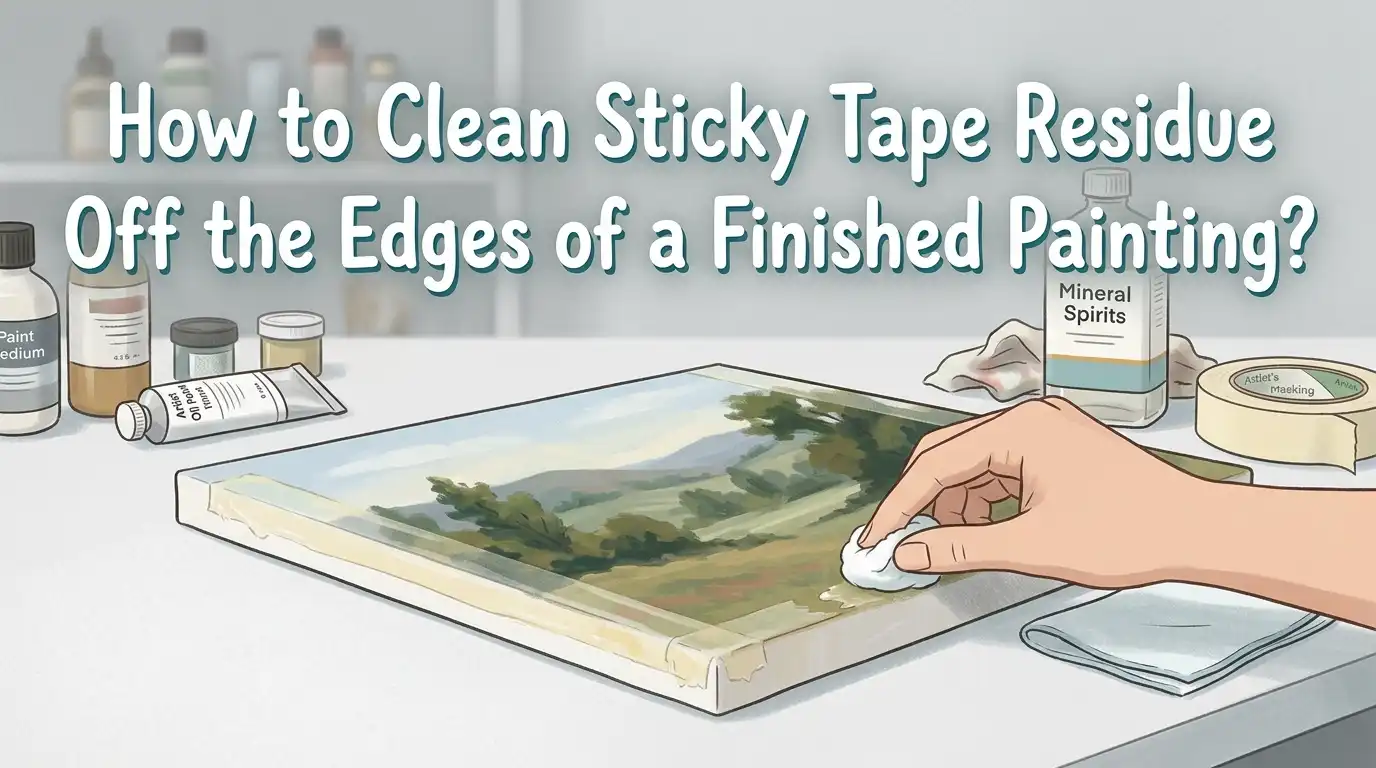
You spent hours on your painting. You peeled off the masking tape to reveal those crisp, clean edges. But wait, there is a sticky, gummy line of adhesive left behind. That gluey strip catches dust, looks ugly, and seems impossible to remove without ruining your art. The panic is real.
Take a deep breath. You can fix this. Tape residue is a common problem for artists who work with acrylics, oils, watercolors, and gouache.
The good news is that several safe, simple methods work well. The trick is choosing the right one for your paint type and applying it with patience.
In a Nutshell:
- Always test first. Pick a tiny, hidden spot on the painting edge and try your chosen method there. If the paint lifts or changes color, stop immediately and try a gentler option.
- Start with the gentlest method. Begin with the sticky tape dabbing trick or a soft eraser. Move to oils, then mild solvents only if needed. Harsh chemicals should be your last resort.
- Match the solvent to the paint type. Acrylic paintings hate strong alcohol and acetone. Oil paintings tolerate mild oils better. Watercolors need almost dry methods. Knowing your paint type protects your art.
- Use cotton swabs, not cloths. Q tips give you control on narrow edges. They prevent solvent from spreading into painted areas. Small tools mean small mistakes.
- Work slowly and in small sections. Rushing causes smudges and paint lifting. Patience is your best friend here. One inch at a time is the safe pace.
- Seal the painting after cleaning. Once the residue is gone, apply a fresh coat of varnish or fixative. This protects the edges from future damage and locks in your work.
Understand Why Tape Leaves Residue in the First Place
Tape residue happens for a few clear reasons. Cheap masking tape uses low quality adhesive that breaks down quickly. When you leave tape on a painting for too long, the glue bonds tightly to the surface. Heat from sunlight or warm rooms also softens the glue and makes it stick harder.
The type of tape matters a lot. Painter’s tape like blue or green tape is made to release cleanly. Regular masking tape, duct tape, and scotch tape are not. They almost always leave a gummy line.
Knowing the cause helps you prevent future problems. For now, focus on safe removal. Pulling harder will only tear your paint surface and make things worse.
Identify Your Paint Type Before You Start
Different paints react differently to cleaners. Acrylic paint is a plastic film. It softens and lifts when exposed to alcohol, acetone, or strong solvents. Oil paint is tougher once fully cured, which usually takes six months. It handles mild oils and gentle solvents better.
Watercolor and gouache are the most fragile. Water alone can ruin them, so dry methods are safest. Mixed media paintings need extra care because each layer reacts differently.
Look at your painting and ask yourself one question: what did I paint this with? If you do not remember, check the back of the canvas or the paint tubes you used. Always match your cleaning method to your paint type. Skipping this step is the number one cause of ruined art.
Test Every Method on a Hidden Spot First
This step is not optional. Testing first saves paintings. Pick a tiny corner or edge that no one will see, like the very back wrap of the canvas or a hidden bottom edge.
Apply a small dot of your chosen cleaner with a cotton swab. Wait two minutes. Check the swab for color transfer. If you see paint on the swab, the cleaner is too strong. Switch to a gentler option.
Pros: Testing prevents disasters and gives you confidence. Cons: It adds a few minutes to your project, but those minutes are well spent.
Never skip this. Even cleaners that worked on past paintings might react badly to a new one. Pigments, mediums, and varnishes all change how paint behaves.
Method One: The Sticky Tape Lift Trick
This is the gentlest method and works surprisingly well for fresh residue. Take a strip of fresh masking tape or painter’s tape. Press it firmly onto the sticky residue line. Then peel it off in one quick motion.
The fresh tape grabs the old glue and lifts it off. Repeat with new strips until the residue is gone. This method uses no chemicals at all, so it is perfect for acrylic, watercolor, and gouache paintings.
Pros: Zero chemicals, no risk of paint damage, costs almost nothing, works on all paint types. Cons: It can take many strips for thick residue, and it does not work well on old, hardened glue.
For best results, use the same brand of tape that caused the problem. Like attracts like, and the new adhesive bonds well with the old.
Method Two: Use a Soft White Eraser
A clean white art eraser is a quiet hero for tape residue. Rub the eraser gently along the sticky line in short, light strokes. The eraser rolls the glue into small crumbs you can brush away.
This method works best on flat, fully cured paint surfaces. Use only white erasers, never pink or colored ones, because dyes can transfer onto your painting.
Pros: No liquids, no smell, full control over pressure, safe for most paints once dry. Cons: It needs muscle and patience for thick residue. It can also dull glossy varnish if you rub too hard.
Keep your strokes light. Let the eraser do the work, not your arm. Brush away crumbs often so you can see your progress clearly.
Method Three: Warm Soapy Water for Light Residue
For thin, recent residue, warm water with mild dish soap often does the job. Mix a few drops of soap into warm water. Dip a cotton swab in the mix and squeeze out the excess.
Gently rub the residue with the damp swab. Use a second dry swab right after to lift the moisture. Never let water sit on your painting. Standing water can soak into canvas weave or lift unsealed paint.
Pros: Safe, cheap, available in every home, works well for acrylic paintings. Cons: Not safe for watercolor or gouache, slow on thick residue, can soften unsealed acrylics if used too long.
This method works best on varnished paintings where the seal protects the paint layer underneath. Always dry the area completely when finished.
Method Four: Vegetable or Mineral Oil
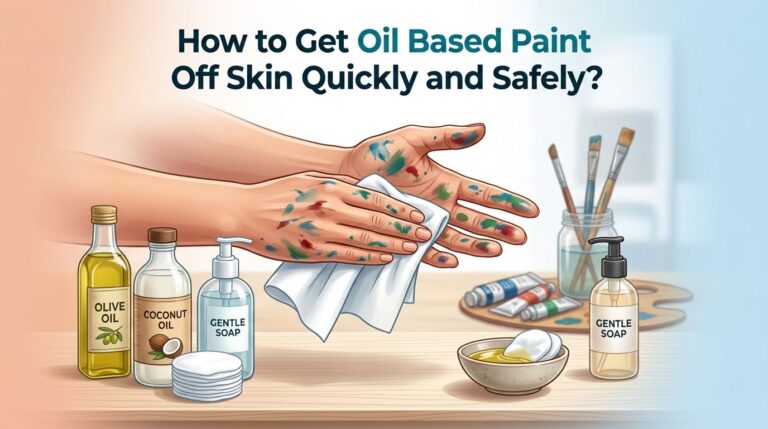
Oil breaks down sticky adhesives without harsh chemicals. Olive oil, coconut oil, or baby oil all work well. Pour a tiny drop onto a cotton swab. Roll the swab gently over the residue.
Let the oil sit for about one minute. The glue will soften and ball up. Wipe it away with a clean dry swab. Follow with a soap and water wipe to remove the oily film.
Oil is especially good for cured oil paintings because the surface already contains oils. Pros: Natural, low risk, no fumes, safe for oil paintings and fully cured acrylics. Cons: It can stain unsealed canvas edges, may dull matte finishes, and needs a soap follow up.
Avoid using oil on watercolor or gouache. The oil will soak in and create permanent dark spots.
Method Five: Rubbing Alcohol for Stubborn Residue
Isopropyl alcohol at 70 percent strength dissolves many adhesives quickly. Use it only on fully cured, varnished paintings. Never use alcohol on raw acrylic paint, as it will lift the color immediately.
Dip a cotton swab in the alcohol. Squeeze out excess so it is just damp, not wet. Roll it across the residue line. Work in tiny sections, about half an inch at a time.
Pros: Fast acting, dries quickly, no oily residue, cheap and easy to find. Cons: Risky for acrylics, can dull varnish, smells strong, flammable around heat sources.
Test first, always. If alcohol turns your swab any color from the painting, stop and switch methods. Higher alcohol percentages like 91 percent are even more aggressive, so stick with 70 percent.
Method Six: Commercial Adhesive Removers
Products like Goo Gone or similar citrus based removers work well for tough residue. They are designed to dissolve sticky messes without damaging most surfaces. Apply a small drop to a cotton swab.
Gently dab the residue and let it sit for thirty seconds. Wipe with a clean swab. Always finish with a soapy water wipe to remove the oily citrus film these products leave behind.
Pros: Powerful, fast, made for sticky messes, smells better than harsh solvents. Cons: Can damage varnish, may dissolve acrylic paint, leaves oily residue, costs more than home remedies.
These products are best for paintings with strong varnish layers or for oil paintings that are fully cured. Always test on a hidden spot before using on visible edges.
Method Seven: Using a Hair Dryer to Soften the Glue
A hair dryer on low heat can soften old, hardened residue. Hold the dryer about six inches from the painting edge. Move it in slow circles for thirty seconds.
The warm air melts the adhesive just enough to make it sticky again. Then use the sticky tape lift trick or a soft cloth to roll the softened glue off the surface.
Never use high heat on a painting. Hot air can crack paint, warp canvas, or melt mediums. Pros: No chemicals, works well on stubborn old residue, gentle on most paintings. Cons: Risky if you use too much heat, slow process, not ideal for thick paint layers like impasto.
Keep the dryer moving at all times. Stopping in one spot for too long can damage the paint underneath in seconds.
What to Avoid at All Costs
Some cleaning methods can destroy your painting in seconds. Never use acetone or nail polish remover on acrylic paintings. Acetone melts acrylic instantly and there is no going back.
Avoid bleach, ammonia, and strong industrial solvents. These break down paint binders and cause fading or peeling. Stay away from rough scrubbers, steel wool, and sandpaper. They scratch paint surfaces permanently.
Do not use WD 40 on raw painted surfaces. It leaves an oily film that prevents future varnishing and attracts dust. Skip paper towels too. They shed fibers that stick to wet residue and create a bigger mess.
When in doubt, choose the gentler option. You can always move up to a stronger method, but you cannot undo damage from a harsh one.
Protect Your Painting After Cleaning
Once the residue is gone, your painting needs a little care. Wipe the cleaned edge with a soft, dry microfiber cloth to remove any film or moisture. Let the painting air dry for at least one hour.
If your painting is varnished, apply a thin fresh layer of varnish to the cleaned area. This blends the surface and seals it again. For unvarnished works, consider adding a final varnish coat now to protect against future tape mishaps.
Store your painting upright in a dry place away from direct sun. Avoid stacking finished paintings face to face without protective sheets between them. Following these simple steps keeps your edges crisp and your art safe for years to come.
Tips to Prevent Tape Residue Next Time
Prevention is easier than cleaning. Use quality painter’s tape like blue or green low tack tape. These release cleanly and leave no glue behind. Avoid regular masking tape, which is made for paint cans and not artwork.
Remove tape while the paint is still slightly wet or within twenty four hours of painting. Pull it off slowly at a 45 degree angle. If the paint is fully dry, score along the tape edge first with a craft knife to prevent paint chipping.
Never leave tape on a painting for days or weeks. Heat, sun, and time all turn tape into a sticky nightmare. Store your tape rolls in a cool, dry place to keep the adhesive fresh and easy to remove.
Frequently Asked Questions
Can I use vinegar to remove tape residue from a painting?
Vinegar is mild but acidic. It can lift watercolor pigments and dull acrylic surfaces. I do not recommend it for finished paintings. Stick with the sticky tape lift trick, oil, or mild soap for safer results. If you must try vinegar, test it on a hidden spot first.
Will Goo Gone ruin my acrylic painting?
Goo Gone can soften acrylic paint if left on too long. It works best on varnished paintings where the seal protects the paint below. Apply a tiny amount, work fast, and rinse with soapy water right away. Always test in a hidden area before using on visible edges.
How do I remove tape residue from a watercolor painting?
Watercolors are extremely fragile. Use only the sticky tape lift trick or a clean white eraser. Avoid all liquids, including water, because they will smear or lift the pigment. Work slowly and gently. If the residue will not come off, consider consulting a professional art conservator.
Can I use my fingernail to scrape off the residue?
Light scraping with a fingernail works for small bits, but it is risky. Your nail can scratch paint or leave oils behind. A plastic card or rubber eraser is safer. Always scrape in the same direction as the canvas weave, never in circles, and keep pressure light.
How long should tape stay on a painting before I remove it?
Remove tape as soon as the paint is dry to the touch, usually within a few hours for acrylics. For oils, peel within twenty four hours. Leaving tape on longer increases the chance of residue and paint chipping. Score the edge with a craft knife if the paint has fully cured before peeling.
What is the safest method for valuable or antique paintings?
For valuable or old paintings, do not try home methods. Contact a professional art conservator. They have the right solvents, tools, and training to clean without damaging the artwork. The cost of professional cleaning is far less than the cost of ruining a valuable piece.

Hi, I’m Zoe Ward, the creator and voice behind Fine Brush Vault. I’m passionate about art, painting, and exploring the world of colors. I spend my time testing and reviewing art supplies to help fellow creators find the best tools for their craft. Through honest reviews and detailed guides, my goal is to make your creative journey easier and more inspiring.